Navigating APAC’s retail challenges: strategic reasons to get the back office right

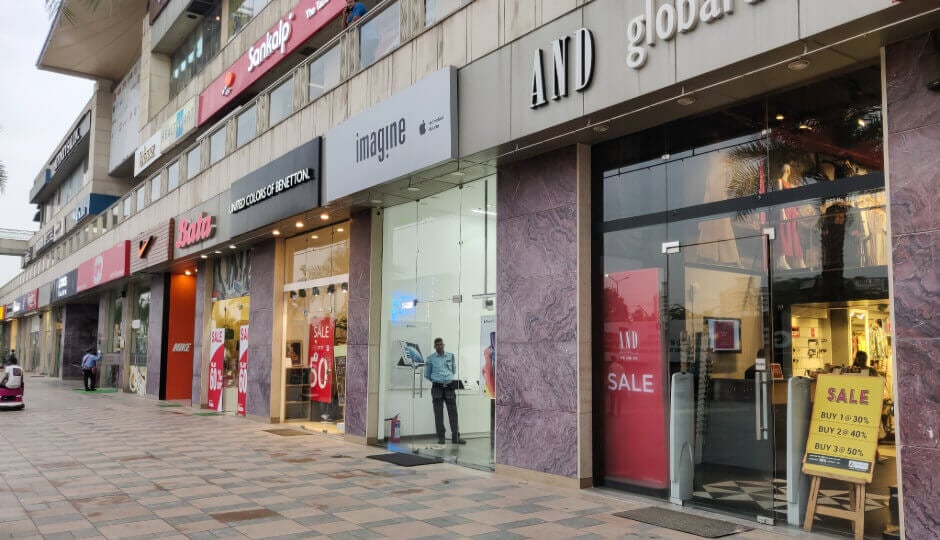
Asia Pacific is now at the centre of global retail business transformation. It is projected to account for 57% of global retail sales growth from 2023 to 2028, according to Euromonitor.
Key drivers include the expanding middle class, rapid urbanisation, changing demographics, mobile-first consumer behaviour and accelerating e-commerce penetration.
Retail growth in the Asia Pacific region is not just about market size, but also about rapid shifts in how retail business is done. Retailers are seeing huge opportunities, but they also face operational complexities unique to the region.
The shape-shifting APAC retail landscape
Major technological and social changes are transforming the retail landscape worldwide. Social commerce, personalisation through AI, augmented reality shopping, and sophisticated omnichannel strategies are reshaping how products are bought and sold.
While North America and Europe remain mature, high-value markets, APAC is emerging as the key growth engine, driven by its massive, mobile-first consumer base and keen appetite for retail market innovation.
Within APAC, retail trends are highly diverse - demographically, economically and digitally:
- Indonesia, Vietnam and the Philippines are mobile-driven markets. In Indonesia, about 70% of e-commerce revenue comes from smartphones
- Tourism, helped by favourable exchange rates, is fuelling luxury retail demand, with Chinese visitors boosting sales in Indonesia and Vietnam
- Singapore continues to attract new entrants, drawn to its sophisticated, affluent consumer base and role as a regional business launchpad to wider South East Asia. Recent entrants include Chinese tea chains and lifestyle brands
- In Thailand and Malaysia, shopping centres are evolving into experience destinations, with dynamic events and installations transforming shopping into leisure
- India is experiencing resilient leasing in retail and logistics, pointing to positive domestic consumption. International brands are expanding, although they remain a smaller share of the retail market
- Mainland of China and Hong Kong, SAR continue to face weaker retail conditions, pushing retailers to streamline store networks and move to other APAC markets. At the same time, Mainland of China is shifting from scale expansion to quality growth, driven by consumer preference for “self-indulgent” purchases and emphasising experience and emotional value over practicality. In response, retailers are investing in immersive store formats, digital engagement, and lifestyle branding
- Demographics generally are shifting – ageing in the north and young in the south – prompting international and local players to reconfigure strategies across the region
Where consumer demand is strong, retailers follow. Not just relocations from softer markets but also from Australia, with retailer Harvey Norman joining new entrants into Malaysia and Singapore.
One overriding conclusion is clear: cultural differences and diverse modes of retail engagement demand localised strategies, supported by robust operating systems and processes.
How to do this efficiently is the challenge.
Structuring for success
For businesses entering APAC, structural decisions matter from the outset. The right entity type and legal structure depend on foreign ownership opportunities and restrictions, licencing, tax and transfer pricing rules.
Operationally, managing finance, HR and procurement across diverse markets can be costly. Multi-country operations can lead to inconsistent processes, manual reconciliation and slow reporting – creating risks of non-compliance, fines and reputational damage.
Key challenges
- Payment methods: the role of cash is being eroded by e-wallets, QR codes and app-based solutions, although cash remains important for many APAC populations. E-wallets have overtaken credit cards as the preferred payment method, according to Worldpay Global Payments Report 2025. But wallet types vary – eg in the Philippines, consumers like GCash; in Indonesia they prefer OVO or GPay. Each mobile payment service has its own origin and functions. This brings complexity to bookkeeping and reporting across stores and online portals.
- Payroll & HR compliance: market growth makes finding and retaining specialist retail staff a challenge for all retailers, particularly in luxury retail. Vietnam and Indonesia, with their fast-growing markets, face a talent crunch. Staff turnover can be high in areas of intense competition, which makes it even more important for retailers to provide good onboarding and employment experiences for valued staff. This requires detailed knowledge of local employment laws, visas or work passes, and other payroll details. Retailers require a unified payroll and HR approach across multiple jurisdictions for both internal consistency and local compliance, to ensure timely, accurate salary and commission payments, and protect against reporting delays and errors.
- Tax: compliance with local tax requirements can prove challenging. For example, Singapore’s VAT regime can be quite onerous as the rules change with business volume. Rules also change over time; Indonesia introduced its new CoreTax Administration System (2025) to enhance digital tax management. The new system comes with some practical implementation issues for retailers seeking to access the system from multiple store locations. Another example is Mainland of China requiring internet platforms that offer e-commerce, live streaming or freight services to submit an Internet Platform Enterprise Basic Information Reporting Form. Compliance is essential to avoid penalties and maintain regulatory trust.
- Technology: digitalisation for retailers is a must, not just a good to have. Retailers must select the right “tech stack” that integrates point-of-sale, ERP, accounting, inventory and HR systems (tracking time and commissions). Tech stack planning also needs to be forward-looking, to accommodate expansion into new markets over time.
- Invoicing: consolidation of invoicing is necessary to support repatriation of funds across global retail operations. The trend towards e-invoicing has many long-term advantages yet comes with implementation hurdles for compliance with local rules, which are not always clear to foreign companies. Meanwhile, paper invoices still matter. For example, Thailand has in recent years enabled taxpayers to deduct purchases from personal tax liabilities based on appropriate paper receipts. This opportunity, whilst clearly welcomed by taxpayers, has proved a challenge for some retailers. Tourist VAT refund requirements also demand paper invoices.
The strategic advantage of local expertise
Retailers can reduce business complexity and risk by working with an external partner with deep experience in the APAC region.
External finance, tax, HR and procurement support brings immediate expertise and saves on building in-house resources.
Outsourcing back-office business operations can keep the retailer’s operational footprint small and focused, and therefore agile. In the world of APAC retail, where markets and business models are evolving fast, such flexibility is very valuable.
For new entrants, expert forward-thinking support upfront saves time and helps prevent costly errors and delays. Shifting from a distributor model to direct market presence means confronting local business hurdles first-hand.
For established brands, relying on dedicated external help can cost-effectively reduce risk, keeping operations up to date and compliant, thereby avoiding fines and loss of reputation.
Most importantly, outsourcing back-end functions allows management to focus on the core objectives of the business: how to best to provide for their customers.
Talk to us
Whether you are considering entering APAC markets, streamlining current operations or expanding into new areas, success depends on localised strategies, efficient business structures and expert support.
We can help you understand the options and provide practical, detailed help, grounded in our deep, local experience across the APAC region. Speak with one of our experts to learn more about our services for retailers in APAC.